


Programs
At Frostig School Pasadena, students with learning differences are seen for their strengths, supported in their challenges, and encouraged to thrive. As a non-public, independent school, Frostig offers a specialized academic curriculum and a rich array of programs that help students grow academically, socially, and emotionally.

At Frostig School, teachers recognize and value the unique gifts, challenges, and learning styles of our youngest learners.
Frostig School’s elementary program serves children in Kindergarten through 5th grade. With classes limited to 10 students for our youngest class and 11 students for our upper elementary class, our credentialed teachers and aides are able to provide individualized learning plans and the focused support each child needs. Throughout the day, students may work in small groups, receive one-to-one instruction, and engage in lessons designed to help them build confidence and make meaningful progress.
Because every child learns differently, Frostig uses a variety of teaching techniques, especially in language arts. Our teachers are trained in strategies from several evidence-based programs, including Lindamood-Bell, Step Up to Writing, Wilson Reading System, and multisensory math.
Our academic curriculum is aligned with California state standards and includes reading, math, social studies, science, and physical education. Students use iPads throughout the day to access lessons, worksheets, and assistive technology. Their academic experience is further enriched and supported by art, music, drama, computer science, and on-site clinical services.
Students also participate in a weekly social learning class, where they receive explicit instruction in understanding and managing emotions, showing empathy, and building positive relationships.
Throughout the school day — in classrooms, on the playground, and across campus — students are encouraged to develop what Frostig calls the Success Attributes: goal setting, perseverance, emotional coping strategies, self-awareness, support networks, and proactivity. Research has shown that these attributes help students build the confidence, resilience, and skills needed to lead rewarding and productive lives.
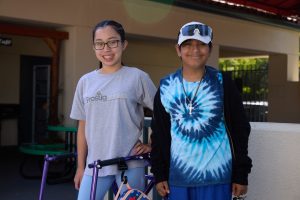
Middle school is a time of growth, change, and discovery. For students in grades 6–8, it marks an important transition from the more guided experience of elementary school to the greater independence expected in high school. At The Frostig School, students are supported through this transition in a safe, encouraging environment where they can build confidence, experience success, and continue to grow as learners and individuals.
Classes are limited to 12 students and staffed by a credentialed teacher and teaching assistant, allowing for small-group instruction and one-on-one support. Students have a homeroom teacher and begin switching classes for certain subjects, helping them gradually develop the independence, organization, and self-advocacy skills they will need in high school. Each student is provided with a Chromebook to access lessons, assignments, and digital resources throughout the school day.
Frostig uses a variety of teaching techniques to meet the unique needs of each student. Teachers are trained in strategies from several evidence-based programs, including Lindamood-Bell, Wilson Reading System, Orton-Gillingham, Step Up to Writing, and multisensory math..
The curriculum is aligned with California state standards and includes language arts, social studies, math, science, and physical education. Academic learning is enriched and supported through art, music, drama, computer science, on-site clinical services, field trips, and lunch clubs.
Students also participate in a weekly social learning class that helps them better understand the unwritten rules of social interaction which can be especially challenging during the middle school years. Through explicit instruction, students learn and practice skills for building positive relationships, resolving conflict, and showing empathy for others.
Throughout the school day, students are encouraged to develop a set of characteristics known at Frostig as the Success Attributes. Research has shown that these attributes—goal setting, perseverance, emotional coping strategies, self-awareness, support networks, and proactivity—are essential to living a rewarding and productive life. Opportunities to nurture the Success Attributes are woven into all aspects of the school day, from the classroom to the schoolyard to lunch clubs.

High school is a time for students to look ahead, develop greater independence, strengthen their sense of identity, and prepare for life beyond the classroom. Frostig’s high school program serves students with learning differences; including learning disabilities, ADHD, autism, and related social-emotional needs through individualized instruction along with social-emotional and transition support.
Our goal is to help each student recognize their strengths, build self-awareness, and develop the skills needed for success in school, adulthood, and life beyond the Frostig.
Classes are limited to 12 students and staffed by a credentialed special education teacher and teaching assistant, allowing instruction and support to be responsive to each student’s learning profile and IEP goals. Students begin the day in homeroom and transition between classes throughout a seven-period schedule.
Courses include language arts, social studies, mathematics, science, physical education, and electives such as Spanish, graphic design, art, drama, film, and music. To support access and participation, each student is provided with a Chromebook or, when more appropriate for the student’s needs, an iPad.
Students use these devices to access lessons and digital resources, conduct research, and complete assignments throughout the school day.
Frostig teachers use a variety of instructional approaches to address each student’s unique learning profile. They are trained in evidence-based and multisensory programs and strategies, including Lindamood-Bell, the Wilson Reading System, Orton-Gillingham, Step Up to Writing, and multisensory mathematics. Instruction is designed to make learning accessible while helping students become more confident, engaged, and independent learners.
Social-emotional growth is intentionally integrated into the high school experience through Frostig’s Social Learning Department. Students participate in social learning classes through our SOAR to Success rotation which provides explicit instruction in understanding the nuances of social interaction with their peer group.
Topics addressed in high school include: effective communication, conflict resolution, healthy relationships, and self-advocacy. Students practice these skills in real-life situations throughout the school day, with guidance from the social learning director in collaboration with teachers, families, and other members of the Frostig staff.
Beyond the classroom, students have opportunities to strengthen their confidence, leadership, and sense of belonging in high school though student led clubs, school activities and assemblies, Leadership Council and/or the Student Ambassador program. These experiences encourage students to explore their interests, contribute to the school community, build meaningful connections, and develop interpersonal skills needed for adulthood.
Experiential learning is another important component of the high school experience as well. The student-run Fly-By Café and Print Shop give students opportunities to apply what they are learning in authentic workplace settings. Students complete real-world tasks, interact with customers, manage responsibilities, collaborate with coworkers, and develop both the technical and interpersonal skills needed for employment.
Transition Department
Preparing students for meaningful and successful lives after high school is one of Frostig School’s most important responsibilities. Beginning in ninth grade, students participate in SOAR to Success a program specific to Frostig where we support students with college and career exploration, employment readiness, social learning, independent living, financial awareness, self-advocacy, and other essential adult-life skills.
The course combines individualized instruction with practical experiences that help students identify their strengths, explore future options, and build greater confidence and independence.
Students explore a range of postsecondary pathways, including college, vocational and certificate programs, employment, and community-based services. Through college field trips, career exploration, resume development, interview preparation, and hands-on activities, students strengthen communication skills, decision-making, and practical skills needed for adulthood.
The Transition Department also serves as an ongoing resource for students and families as they navigate graduation requirements and plan for life after high school. Staff provide individualized guidance, help families explore postsecondary options, and connect them with colleges, vocational programs, community agencies, adult-service providers, and other helpful resources. By combining specialized instruction, family support, individualized planning, and experiential learning, Frostig helps students become more confident, independent, and prepared for adulthood.
Diplomas
As a high school program fully accredited by the Western Association of Schools and Colleges (WASC) and the California Association of Independent Schools (CAIS), Frostig supports three graduation pathways based on each student’s individual learning needs. Most Frostig students pursue a traditional high school diploma by completing the academic courses and credits required by their home school district or the State of California.
In some circumstances, an eligible student may pursue an alternate diploma by completing standards-aligned coursework identified by the student’s IEP team and home school district.
Occasionally, a student at Frostig will earn a certificate of completion at the culmination of their high school program. A certificate of completion differs from a diploma in that it recognizes that a student has completed an individualized educational program focused on functional academics, independent living, vocational preparation, and community-based skills but has not completed the academic requirements for a high school diploma.
Students pursuing a certificate of completion may remain eligible for special education services through age 22 with their home district. It is important to note that Frostig does not have a formal certificate of completion curriculum as our program is academic in nature.
Each pathway is determined collaboratively by the student’s family, IEP team, and home school district, with consideration given to the student’s strengths, needs, and postsecondary goals. These pathways can prepare students for options such as community college, independent living programs, vocational training, and employment.
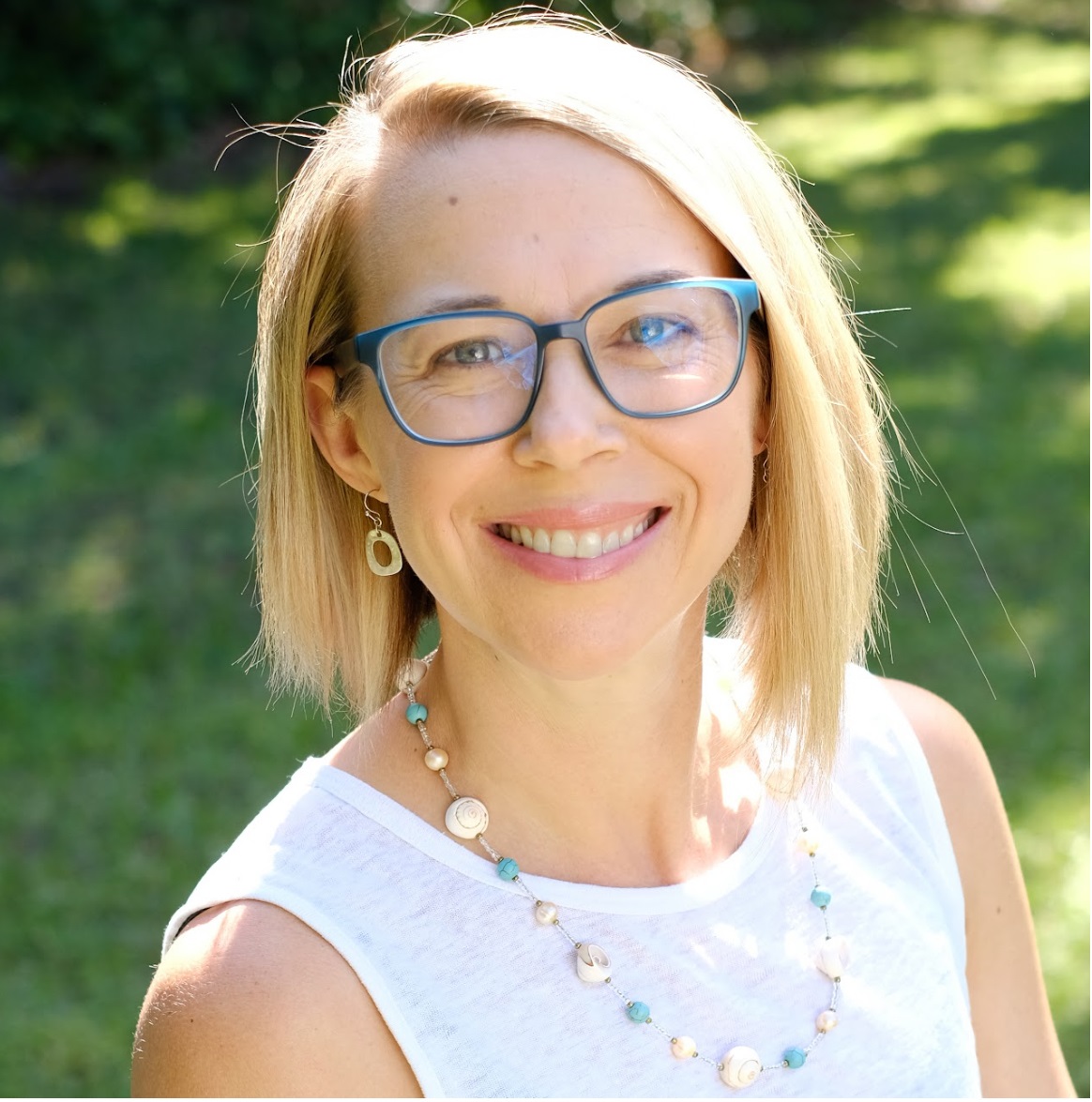
Assistant Head of School
Casey Rasmussen has worked with children and in the field of education for over 27 years in the capacities of camp counselor, camp director, play-based therapy counselor and director, paraprofessional support for students on the autism spectrum, and K-6 classroom teacher. The last 14 years, Casey has been in the Director/Administrative roles of Student Support Coordinator, Director of Student Support and Facilities and Site Director/Principal.
Casey holds a Bachelor’s Degree in Sociology from UC Santa Barbara, a Master’s Degree in Early Childhood Education from Mills College, and a Master’s Degree in Educational Leadership from California State University Los Angeles, a California multiple subjects credential, and an Administrative Services credential.